

Modular buildings are built to last, but just like any structure, they benefit from seasonal care to maintain performance, safety, and comfort. As temperatures shift between winter and summer, building managers and maintenance teams can take a few simple steps to extend the life of their modular buildings and reduce avoidable repairs.
This guide highlights key areas to focus on during seasonal transitions, helping you keep your modular buildings in peak condition all year long.
Winter to Spring: Defrost and Inspect
As cold weather fades, it’s important to assess any effects that winter may have had on your modular buildings.
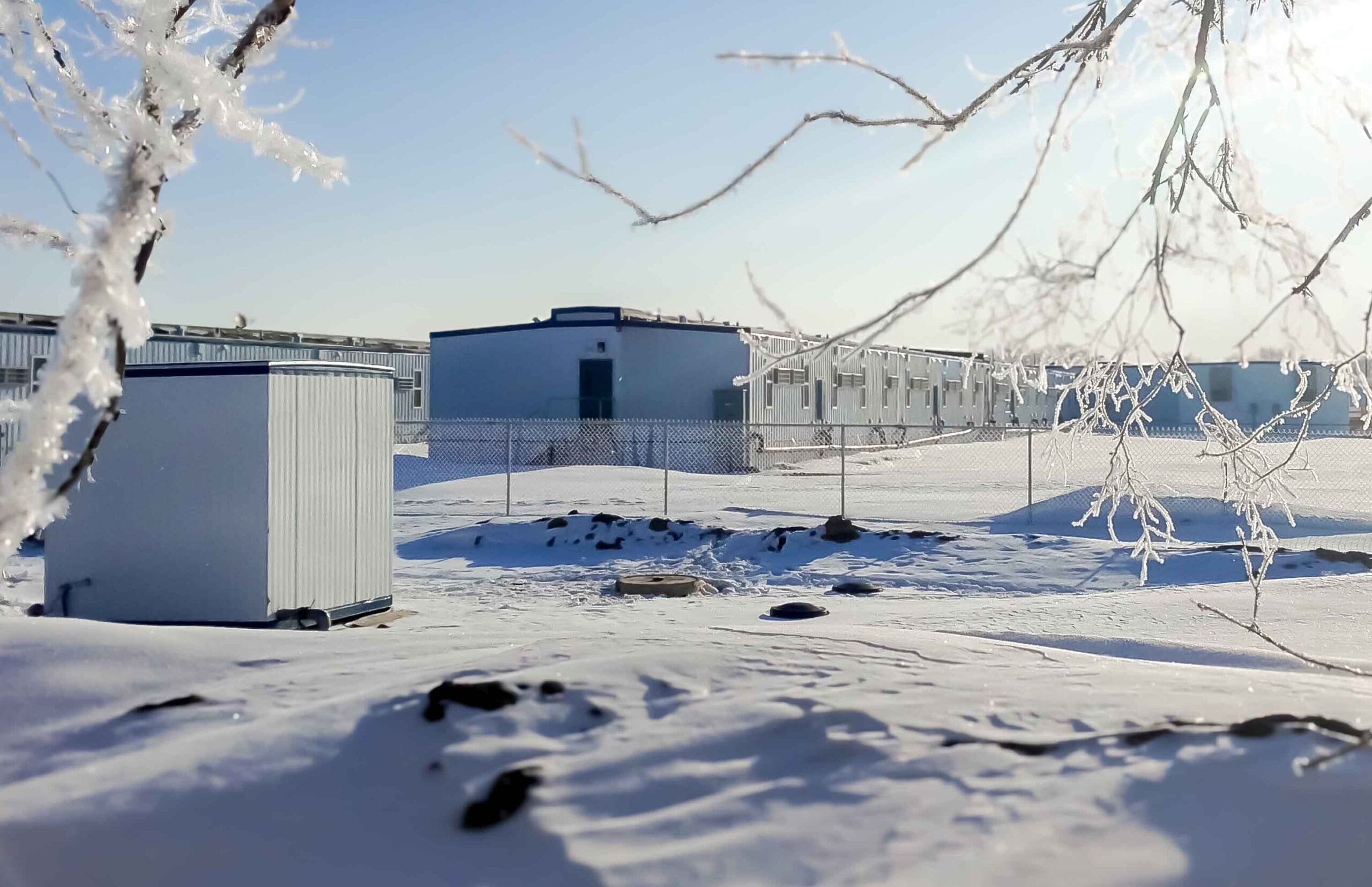
Start by inspecting the roof and exterior. If snow and ice were present, check for pooling, soft spots, or signs of wear around seals and flashing. Frozen debris may have shifted panels or cracked caulking. Early detection prevents small issues from becoming larger leaks during spring rains.
HVAC systems also need attention. Change filters and inspect heating components for wear or buildup. Modular buildings rely on these systems for year-round climate control, so keeping them clean and efficient helps maintain indoor air quality while minimizing energy use. The U.S. Department of Energy offers HVAC maintenance tips to help reduce long-term costs and ensure peak efficiency.
Take time to test emergency lighting and inspect exit pathways as well. Salt and grit from winter walkways can accumulate around modular steps and ramps, so clear these areas and reapply non-slip surfaces if needed.
Spring to Summer: Prepare for Higher Temperatures
Warmer months can introduce challenges to both the structure and comfort of your modular buildings. Early summer prep ensures better energy efficiency and user satisfaction.
Air conditioning maintenance is key. Check for obstructions around units, ensure ducts are clear, and schedule a full system tune-up if it has not been serviced recently. If your modular buildings use portable or window units, verify that they are securely mounted and draining correctly.
Window seals and insulation should be reviewed before the heat arrives. Make sure all gaskets and caulking are intact to prevent hot air from entering and cool air from escaping. Tinted window film or blinds can also reduce heat load and UV exposure inside the building. The EPA’s Energy Star program offers tips on how windows contribute to building efficiency.
If your modular buildings include kitchen or break areas, double-check ventilation systems to ensure they are clean and venting properly. Increased use during summer projects or events can strain older systems, so proactive care pays off.
Don’t forget seasonal allergens. Spring and summer bring more pollen, dust, and airborne irritants. Upgrading to HEPA filters or replacing filters more frequently can reduce respiratory discomfort and protect interior systems. Learn more about improving air quality from ASHRAE.
Summer to Fall: Get Ahead of the Weather
Late summer is the perfect time to begin preparing your modular buildings for cooler weather and shifting occupancy patterns.
Inspect gutters and drainage systems. Remove leaves, pine needles, and debris that could lead to water backup or damage during autumn storms. Make sure all water flows away from the base of the building to prevent erosion or moisture buildup.
Revisit sealants and weatherproofing. Look for dried or cracked caulking around windows and doors and replace any worn weatherstripping. These small touch-ups help preserve interior temperatures once the weather turns cold.
If your modular buildings are used seasonally or sit vacant at times, now is the time to establish a plan for shutting down or winterizing. This may include draining plumbing, reducing thermostat settings, and securing all doors and windows.
Fall to Winter: Insulate and Secure
Cold months bring unique demands to modular buildings, especially in regions with freezing temperatures, snow, or ice.
Ensure interior heating systems are fully operational and calibrated. Inspect thermostats and heating vents, and clean baseboards or radiators to maximize heat output. In modular buildings used for classrooms or offices, consistent temperatures are vital for comfort and productivity.
Check insulation and understructure areas. Some modular units have crawl spaces or skirting that require added insulation to avoid pipe freezes or floor drafts. Make sure any exposed plumbing is wrapped and protected.
You should also test carbon monoxide detectors and smoke alarms, especially if your modular buildings have gas-powered equipment or heating. The National Fire Protection Association (NFPA) provides helpful resources on alarm safety and maintenance.
Finally, place ice melt and snow tools near entrances, and mark any icy hazard zones around ramps or steps.
Long-Term Performance Starts with Seasonal Care
Routine upkeep and timely adjustments throughout the year keep your modular buildings efficient, comfortable, and ready for whatever the season brings. Whether you’re operating temporary classrooms, offices, or workforce housing, these practices reduce downtime and extend the usable life of your investment.
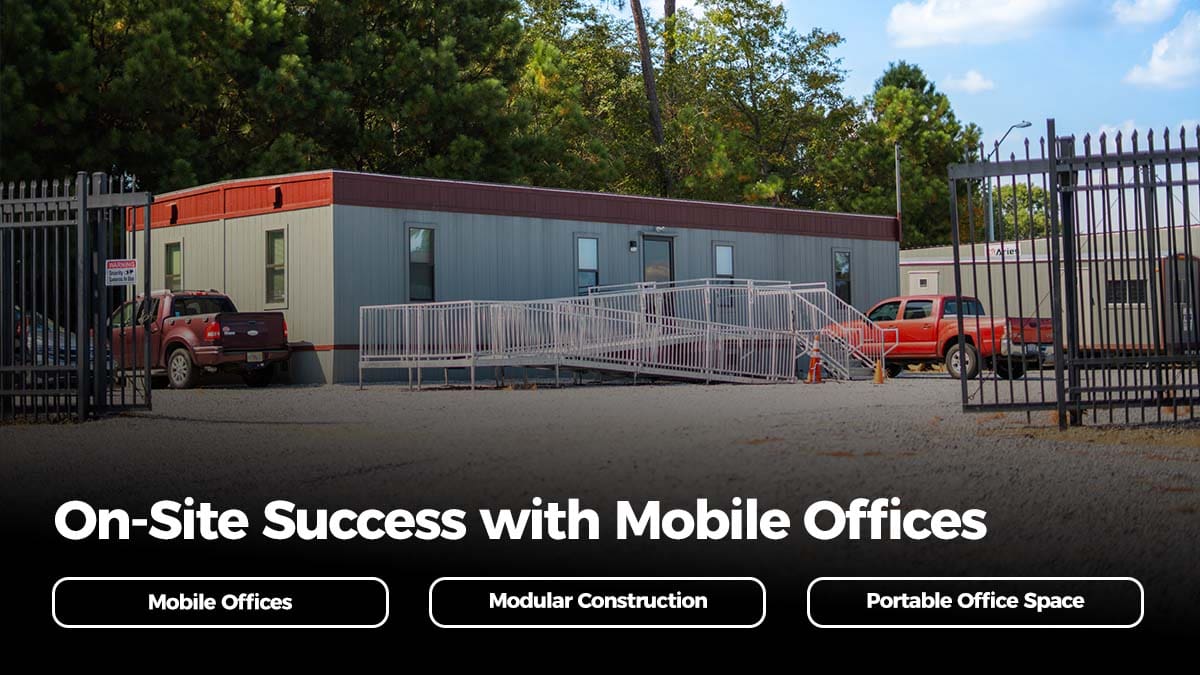
Looking to learn more about optimizing your buildings? Check out our recent article on how mobile offices enhance safety and compliance on construction sites.
Need help creating a maintenance plan for your modular buildings? Talk to one of our specialists today and get personalized support for your site and region.
Modular buildings are built to last, but just like any structure, they benefit from seasonal care to maintain performance, safety, and comfort. As temperatures shift between winter and summer, building managers and maintenance teams can take a few simple steps to extend the life of their modular buildings and reduce avoidable repairs.
This guide highlights key areas to focus on during seasonal transitions, helping you keep your modular buildings in peak condition all year long.
Winter to Spring: Defrost and Inspect
As cold weather fades, it’s important to assess any effects that winter may have had on your modular buildings.
Start by inspecting the roof and exterior. If snow and ice were present, check for pooling, soft spots, or signs of wear around seals and flashing. Frozen debris may have shifted panels or cracked caulking. Early detection prevents small issues from becoming larger leaks during spring rains.
HVAC systems also need attention. Change filters and inspect heating components for wear or buildup. Modular buildings rely on these systems for year-round climate control, so keeping them clean and efficient helps maintain indoor air quality while minimizing energy use. The U.S. Department of Energy offers HVAC maintenance tips to help reduce long-term costs and ensure peak efficiency.
Take time to test emergency lighting and inspect exit pathways as well. Salt and grit from winter walkways can accumulate around modular steps and ramps, so clear these areas and reapply non-slip surfaces if needed.
Spring to Summer: Prepare for Higher Temperatures
Warmer months can introduce challenges to both the structure and comfort of your modular buildings. Early summer prep ensures better energy efficiency and user satisfaction.
Air conditioning maintenance is key. Check for obstructions around units, ensure ducts are clear, and schedule a full system tune-up if it has not been serviced recently. If your modular buildings use portable or window units, verify that they are securely mounted and draining correctly.
Window seals and insulation should be reviewed before the heat arrives. Make sure all gaskets and caulking are intact to prevent hot air from entering and cool air from escaping. Tinted window film or blinds can also reduce heat load and UV exposure inside the building. The EPA’s Energy Star program offers tips on how windows contribute to building efficiency.
If your modular buildings include kitchen or break areas, double-check ventilation systems to ensure they are clean and venting properly. Increased use during summer projects or events can strain older systems, so proactive care pays off.
Don’t forget seasonal allergens. Spring and summer bring more pollen, dust, and airborne irritants. Upgrading to HEPA filters or replacing filters more frequently can reduce respiratory discomfort and protect interior systems. Learn more about improving air quality from ASHRAE.
Summer to Fall: Get Ahead of the Weather
Late summer is the perfect time to begin preparing your modular buildings for cooler weather and shifting occupancy patterns.
Inspect gutters and drainage systems. Remove leaves, pine needles, and debris that could lead to water backup or damage during autumn storms. Make sure all water flows away from the base of the building to prevent erosion or moisture buildup.
Revisit sealants and weatherproofing. Look for dried or cracked caulking around windows and doors and replace any worn weatherstripping. These small touch-ups help preserve interior temperatures once the weather turns cold.
If your modular buildings are used seasonally or sit vacant at times, now is the time to establish a plan for shutting down or winterizing. This may include draining plumbing, reducing thermostat settings, and securing all doors and windows.
Fall to Winter: Insulate and Secure
Cold months bring unique demands to modular buildings, especially in regions with freezing temperatures, snow, or ice.
Ensure interior heating systems are fully operational and calibrated. Inspect thermostats and heating vents, and clean baseboards or radiators to maximize heat output. In modular buildings used for classrooms or offices, consistent temperatures are vital for comfort and productivity.
Check insulation and understructure areas. Some modular units have crawl spaces or skirting that require added insulation to avoid pipe freezes or floor drafts. Make sure any exposed plumbing is wrapped and protected.
You should also test carbon monoxide detectors and smoke alarms, especially if your modular buildings have gas-powered equipment or heating. The National Fire Protection Association (NFPA) provides helpful resources on alarm safety and maintenance.
Finally, place ice melt and snow tools near entrances, and mark any icy hazard zones around ramps or steps.
Long-Term Performance Starts with Seasonal Care
Routine upkeep and timely adjustments throughout the year keep your modular buildings efficient, comfortable, and ready for whatever the season brings. Whether you’re operating temporary classrooms, offices, or workforce housing, these practices reduce downtime and extend the usable life of your investment.
Looking to learn more about optimizing your buildings? Check out our recent article on how mobile offices enhance safety and compliance on construction sites.
Need help creating a maintenance plan for your modular buildings? Talk to one of our specialists today and get personalized support for your site and region.


Follow Us On Social Media!