


Key Takeaways
- Overcrowded schools are a growing issue. Rising student enrollment across many districts is outpacing the speed and budget of traditional construction, leading to packed classrooms and strained resources.
- Portable schools solve the problem — fast. Modular school buildings offer a quick, flexible, and cost-effective way to expand capacity without disrupting learning. They reduce construction time, lower costs, and scale with your district’s needs.
- Aries delivers smart, scalable solutions. With decades of modular expertise, Aries Buildings helps districts navigate growth with high-quality portable classrooms and customizable infrastructure — on time and within budget.
Portable school buildings are transforming how rapidly growing districts address overcrowding and capacity challenges. If you’re a district administrator, school board member, or education planner searching for ways to expand your facilities quickly without breaking the bank, this article is for you.
We’ll cover why temporary schools, scalable school infrastructure, and modular construction methods are becoming the go-to solutions for modern educational needs. From reducing school construction time to exploring the many benefits of portable classrooms for growing schools, we’ll help you make informed, strategic decisions.
Meeting Demand Without Delay
The pressure on schools today is immense. As University Business reports, enrollment rates are surging in many states, but traditional construction often can’t keep up. The result? overcrowded classrooms, frustrated teachers, and students struggling to learn in spaces that weren’t built for current needs. Portable schools are gaining traction as a flexible, cost-effective solution that schools can deploy quickly. In this blog, we’ll explore how these modular buildings address urgent challenges — speed, affordability, sustainability, and reduced disruption — while supporting a better learning environment from day one.
Building Classrooms Faster Than Ever Before
Portable Schools Give Growing Districts a Major Advantage
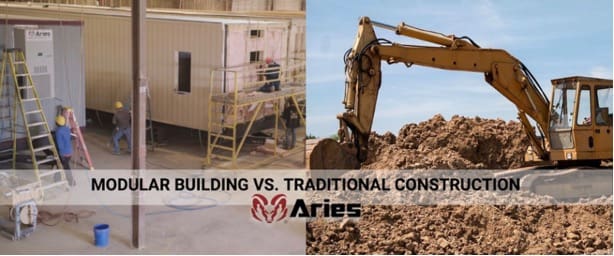
Traditional brick-and-mortar construction can take years to complete, delaying solutions for overcrowded classrooms. Modular school buildings, on the other hand, reduce timelines significantly. These learning spaces are prefabricated off-site in climate-controlled facilities, allowing multiple phases — like site prep and building fabrication — to occur at the same time. According to the Modular Building Institute, modular building solutions reduce build times by 30-50% compared to traditional methods.
This accelerated process helps schools respond fast to rising enrollment. Portable classrooms can be delivered and operational within months, not years. Plus, because they’re built indoors, modular units avoid weather delays that typically stall construction. By reducing school construction time with modular solutions, administrators can shift their focus from facilities to what matters most — student success.
Stretching Education Budgets Further
Let’s talk dollars and cents. Setting up a new school traditionally costs millions, but modular buildings offer significant savings. According to data from GSIN Education, building a conventional school can cost $200-400 per square foot. Compare that to prefabricated options, which often come in at half the cost. Why? Prefabrication minimizes material waste, labor inefficiencies, and site-specific complications.
Moreover, these structures provide long-term value. They’re durable, easy to maintain, and can be relocated. This flexibility ensures districts aren’t locked into permanent buildings that might become obsolete as demographics shift.
The Waste & Resources Action Program (WRAP) report highlights that pre-assembled structures generate up to 90% less waste than traditional methods, further reducing costs and environmental impact. How to reduce construction costs with modular buildings has become a key consideration for districts facing tight budgets.
Adapting to Changing Needs
One of the top benefits of portable schools is adaptability. Unlike permanent buildings, modular classrooms can expand as enrollment grows. Need an extra classroom next semester? Add it. Want to integrate STEM labs or new administrative space next year? Done. Scalable school infrastructure helps districts future-proof without committing to major, upfront construction projects.
These flexible buildings also support specialized programs like career and technical education without disrupting existing facilities. The benefits of modular buildings for schools go beyond fast deployment — they allow districts to adjust quickly to shifting academic needs, making them a smart long-term investment.
Building Greener Futures
Sustainability Matters
Today’s families, educators, and school leaders are prioritizing eco-friendly solutions, and modular construction delivers. Many portable classrooms exceed LEED certification standards, featuring solar panels, efficient insulation, and low-VOC materials that support healthier learning environments.
Factory-built construction reduces waste by recycling leftover materials rather than discarding them. This approach not only supports green initiatives — it also cuts utility bills. Districts using modular buildings often report lower energy costs thanks to efficient designs. For schools aiming to grow responsibly, portable schools offer a cleaner, smarter path forward.
Keeping Focus Where It Matters
Construction zones near schools can feel chaotic, noisy, and disruptive. Flexible learning environments solve this problem by keeping the process off-site until installation day. Once delivered, these classrooms blend seamlessly into existing campuses, minimizing noise and preserving the learning environment.
This benefit ensures continuity in education. Teachers can return after breaks to find fully functional spaces ready for students, free of dust and drills, and offering complete peace of mind. Minimizing disruptions during expansions is essential for maintaining academic performance and staff morale. The benefits of portable classrooms for growing schools go beyond convenience, ensuring uninterrupted learning.
Building Better With Aries Buildings
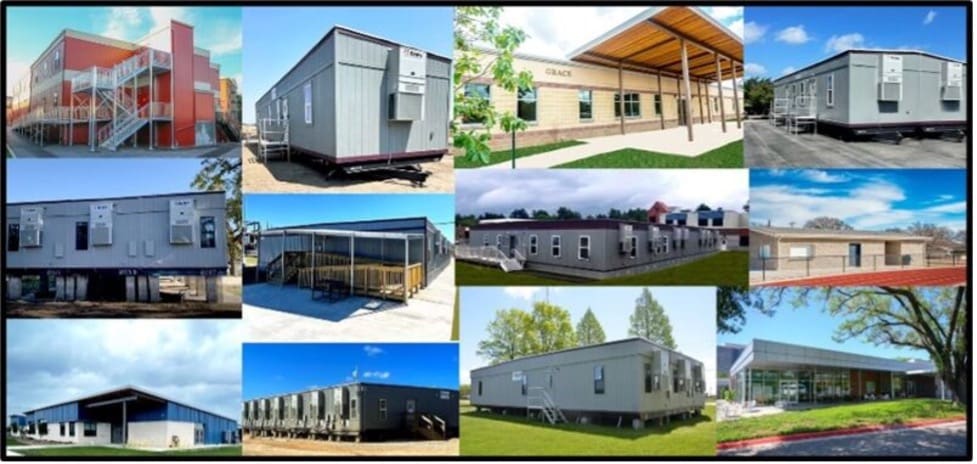
By now, it’s clear — portable schools offer a smart, scalable way to meet the demands of rapid district growth. But choosing the right partner is essential to turning that potential into a real-world solution. Aries Buildings brings decades of experience delivering high-quality modular school buildings tailored to your district’s goals. Whether you need short-term temporary schools, permanent modular facilities, or a hybrid approach, Aries has the expertise and flexibility to make it work — on time and on budget.
Want to See How Portable Schools Really Work?
Explore real-world examples on Aries Building Systems’ YouTube channel. These quick videos showcase classroom layouts, installation timelines, and how scalable school infrastructure supports uninterrupted learning.
Build smarter. Build faster. Build with Aries.
Have questions, or starting a project? Schedule a free consultation with an Aries expert today.
We’ll help you navigate options, timelines, and costs — so you can build smarter, faster, and with confidence.
We’d Love to Hear from You!
Key Takeaways
- Overcrowded schools are a growing issue. Rising student enrollment across many districts is outpacing the speed and budget of traditional construction, leading to packed classrooms and strained resources.
- Portable schools solve the problem — fast. Modular school buildings offer a quick, flexible, and cost-effective way to expand capacity without disrupting learning. They reduce construction time, lower costs, and scale with your district’s needs.
- Aries delivers smart, scalable solutions. With decades of modular expertise, Aries Buildings helps districts navigate growth with high-quality portable classrooms and customizable infrastructure — on time and within budget.
Portable school buildings are transforming how rapidly growing districts address overcrowding and capacity challenges. If you’re a district administrator, school board member, or education planner searching for ways to expand your facilities quickly without breaking the bank, this article is for you.
We’ll cover why temporary schools, scalable school infrastructure, and modular construction methods are becoming the go-to solutions for modern educational needs. From reducing school construction time to exploring the many benefits of portable classrooms for growing schools, we’ll help you make informed, strategic decisions.
Meeting Demand Without Delay
The pressure on schools today is immense. As University Business reports, enrollment rates are surging in many states, but traditional construction often can’t keep up. The result? overcrowded classrooms, frustrated teachers, and students struggling to learn in spaces that weren’t built for current needs. Portable schools are gaining traction as a flexible, cost-effective solution that schools can deploy quickly. In this blog, we’ll explore how these modular buildings address urgent challenges — speed, affordability, sustainability, and reduced disruption — while supporting a better learning environment from day one.
Building Classrooms Faster Than Ever Before
Portable Schools Give Growing Districts a Major Advantage
Traditional brick-and-mortar construction can take years to complete, delaying solutions for overcrowded classrooms. Modular school buildings, on the other hand, reduce timelines significantly. These learning spaces are prefabricated off-site in climate-controlled facilities, allowing multiple phases — like site prep and building fabrication — to occur at the same time. According to the Modular Building Institute, modular building solutions reduce build times by 30-50% compared to traditional methods.
This accelerated process helps schools respond fast to rising enrollment. Portable classrooms can be delivered and operational within months, not years. Plus, because they’re built indoors, modular units avoid weather delays that typically stall construction. By reducing school construction time with modular solutions, administrators can shift their focus from facilities to what matters most — student success.
Stretching Education Budgets Further
Let’s talk dollars and cents. Setting up a new school traditionally costs millions, but modular buildings offer significant savings. According to data from GSIN Education, building a conventional school can cost $200-400 per square foot. Compare that to prefabricated options, which often come in at half the cost. Why? Prefabrication minimizes material waste, labor inefficiencies, and site-specific complications.
Moreover, these structures provide long-term value. They’re durable, easy to maintain, and can be relocated. This flexibility ensures districts aren’t locked into permanent buildings that might become obsolete as demographics shift.
The Waste & Resources Action Program (WRAP) report highlights that pre-assembled structures generate up to 90% less waste than traditional methods, further reducing costs and environmental impact. How to reduce construction costs with modular buildings has become a key consideration for districts facing tight budgets.
Adapting to Changing Needs
One of the top benefits of portable schools is adaptability. Unlike permanent buildings, modular classrooms can expand as enrollment grows. Need an extra classroom next semester? Add it. Want to integrate STEM labs or new administrative space next year? Done. Scalable school infrastructure helps districts future-proof without committing to major, upfront construction projects.
These flexible buildings also support specialized programs like career and technical education without disrupting existing facilities. The benefits of modular buildings for schools go beyond fast deployment — they allow districts to adjust quickly to shifting academic needs, making them a smart long-term investment.
Building Greener Futures
Sustainability Matters
Today’s families, educators, and school leaders are prioritizing eco-friendly solutions, and modular construction delivers. Many portable classrooms exceed LEED certification standards, featuring solar panels, efficient insulation, and low-VOC materials that support healthier learning environments.
Factory-built construction reduces waste by recycling leftover materials rather than discarding them. This approach not only supports green initiatives — it also cuts utility bills. Districts using modular buildings often report lower energy costs thanks to efficient designs. For schools aiming to grow responsibly, portable schools offer a cleaner, smarter path forward.
Keeping Focus Where It Matters
Construction zones near schools can feel chaotic, noisy, and disruptive. Flexible learning environments solve this problem by keeping the process off-site until installation day. Once delivered, these classrooms blend seamlessly into existing campuses, minimizing noise and preserving the learning environment.
This benefit ensures continuity in education. Teachers can return after breaks to find fully functional spaces ready for students, free of dust and drills, and offering complete peace of mind. Minimizing disruptions during expansions is essential for maintaining academic performance and staff morale. The benefits of portable classrooms for growing schools go beyond convenience, ensuring uninterrupted learning.
Building Better With Aries Buildings
By now, it’s clear — portable schools offer a smart, scalable way to meet the demands of rapid district growth. But choosing the right partner is essential to turning that potential into a real-world solution. Aries Buildings brings decades of experience delivering high-quality modular school buildings tailored to your district’s goals. Whether you need short-term temporary schools, permanent modular facilities, or a hybrid approach, Aries has the expertise and flexibility to make it work — on time and on budget.
Want to See How Portable Schools Really Work?
Explore real-world examples on Aries Building Systems’ YouTube channel. These quick videos showcase classroom layouts, installation timelines, and how scalable school infrastructure supports uninterrupted learning.
Build smarter. Build faster. Build with Aries.
Have questions, or starting a project? Schedule a free consultation with an Aries expert today.
We’ll help you navigate options, timelines, and costs — so you can build smarter, faster, and with confidence.
We’d Love to Hear from You!
READ MORE
Follow Us On Social Media!