

When fall rolls in, and winter is not far behind, construction timelines become increasingly tight. That’s where a smart modular building strategy can make all the difference. Whether you’re expanding school facilities, adding winter-ready portable offices, or setting up seasonal modular buildings, the goal is the same: get it done quickly, efficiently, and without sacrificing quality before snow, wind, and freezing temps slow everything to a crawl.
In this post, we will explain why modular construction is the best solution for installing office trailers before winter arrives. We’ll unpack how the latest materials and systems are built for cold-weather performance, explore specific use cases like modular classrooms for winter and modular buildings for winter-ready campuses, and close with practical insights into how you can move fast without cutting corners. Whether you’re planning a turnkey modular office building with financing or hunting for urgent school expansion solutions, here’s your seasonal blueprint.
Why Modular Is Made for Winter Deadlines
Modular buildings are designed for speed, and that’s not just about the factory floor. When you’re racing against the weather, their most significant advantage is time. Unlike traditional builds, modular structures are fabricated offsite in controlled environments. That means no rain delays, no frozen concrete, and fewer headaches.
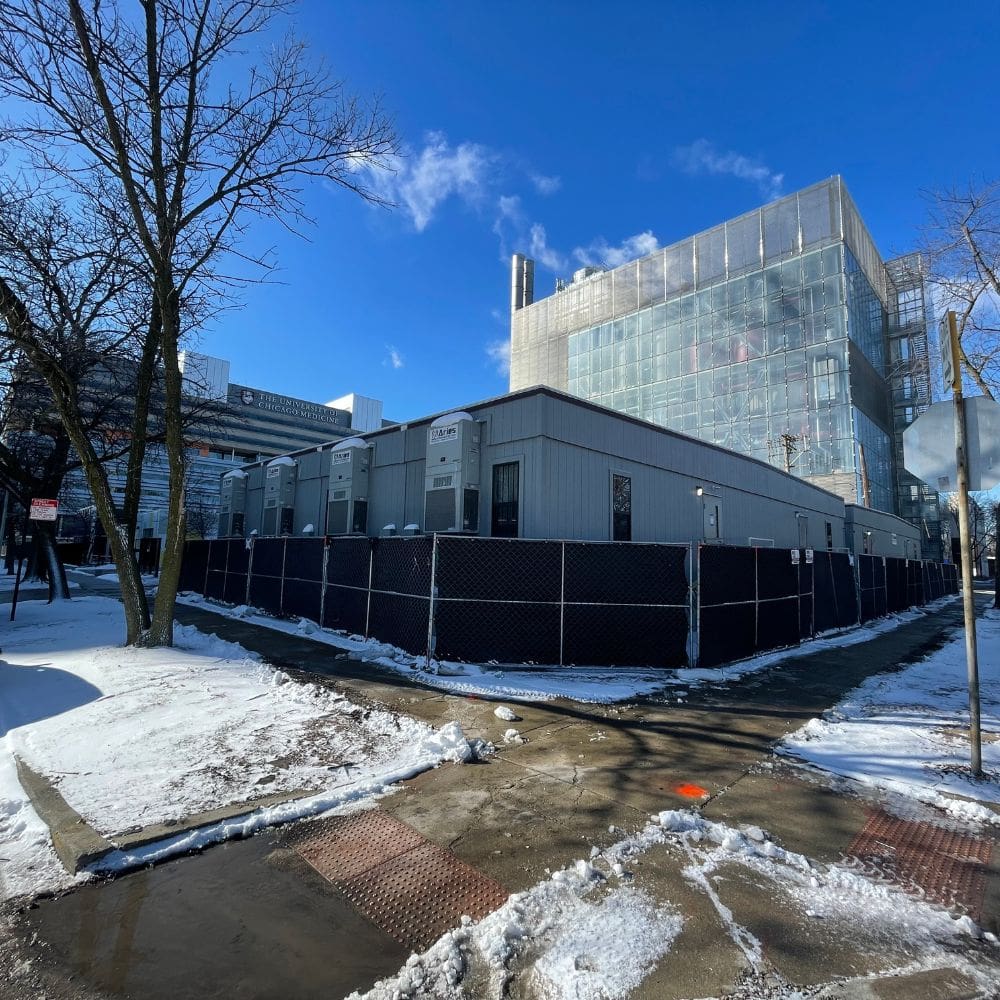
But it’s not just about staying on schedule. Cold-weather performance matters, too. Quality modular building solutions for education and commercial use now come with advanced insulation packages, high-efficiency HVAC systems, and materials that can withstand extreme climates. Think closed-cell spray foam insulation, thermal pane windows, reinforced weather-sealed joints, and durable steel or composite siding, all working to maintain a comfortable, energy-efficient space, even in sub-zero conditions.
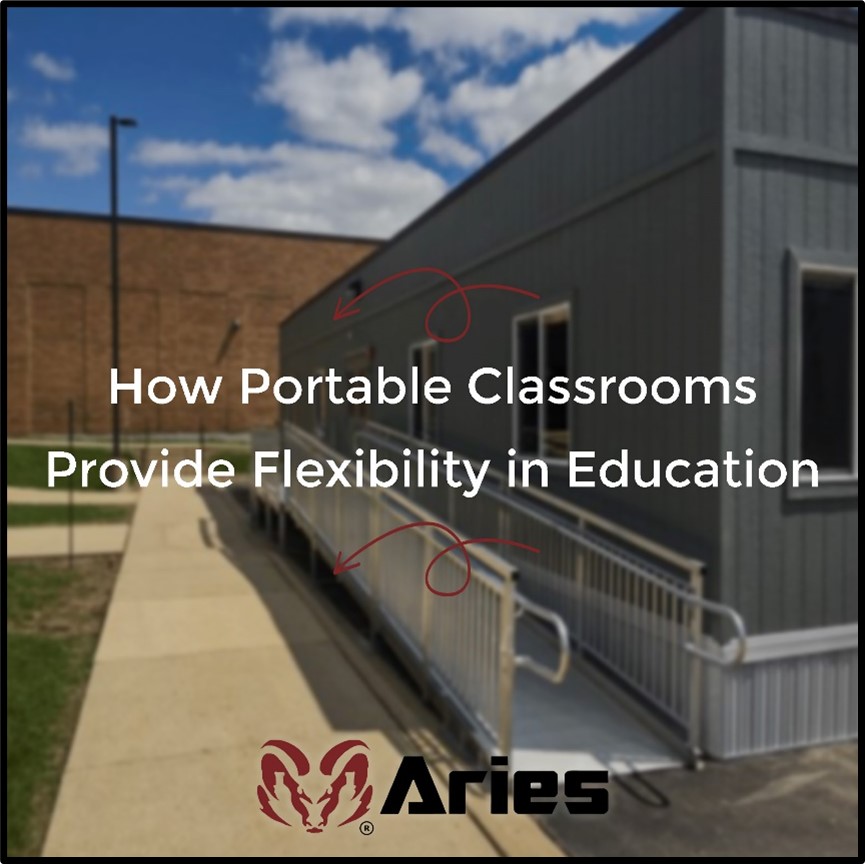
For schools requiring rapid expansion, this means that modular classrooms for winter can be installed and operational in a matter of weeks, not months. According to the U.S. Department of Energy’s Building Technologies Office, enhanced building envelopes and HVAC systems in modular units can significantly reduce heating costs in winter compared to those in older portable units.
Designing for the Cold: Features That Matter
Let’s break down what to look for in winter-ready modular buildings:
- Insulation R-Values: Closed-cell spray foam provides both insulation and moisture protection, which is crucial for winter performance.
- Sealed and Heated Underbellies: Prevents floor freezing in portable units, maintaining stable interior temperatures.
- Energy-Efficient HVAC Systems: Proper sizing and installation, especially in modular environments, make or break heating efficiency.
- Snow Load Engineering: Structures must account for regional snow load requirements to ensure safety and durability.
- Advanced Wraps & Weather Barriers: Improve building longevity and occupant comfort by keeping snow and wind at bay (EPA Moisture Control).
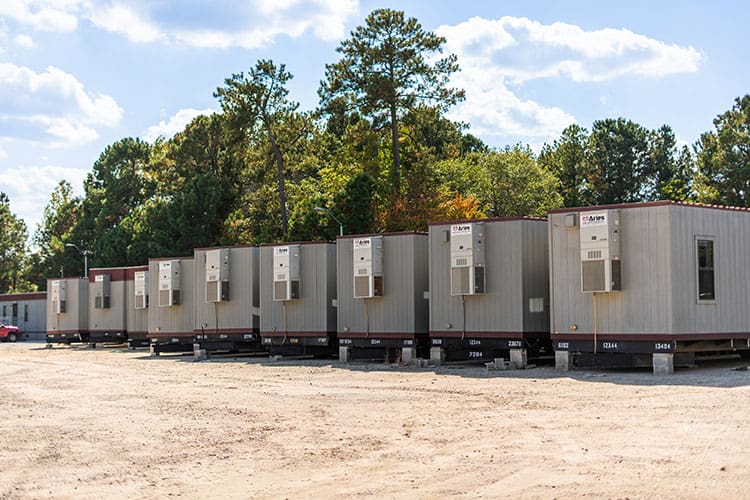
Need proof? A hospital in Queensland, Australia, utilized modular construction to rapidly deploy a new medical ward just before winter, demonstrating that this strategy isn’t only practical but also proven.
Timing Is Everything: Seasonal Strategy for Deployment
Modular isn’t just fast, but strategic. The sweet spot for ordering and installing modular buildings is right now, late summer into early fall. That window gives you enough time for manufacturing, delivery, and setup before winter conditions complicate logistics.
Waiting too long risks:
- Frozen ground delaying site prep
- Supply chain issues for HVAC components
- Limited unit availability due to seasonal demand
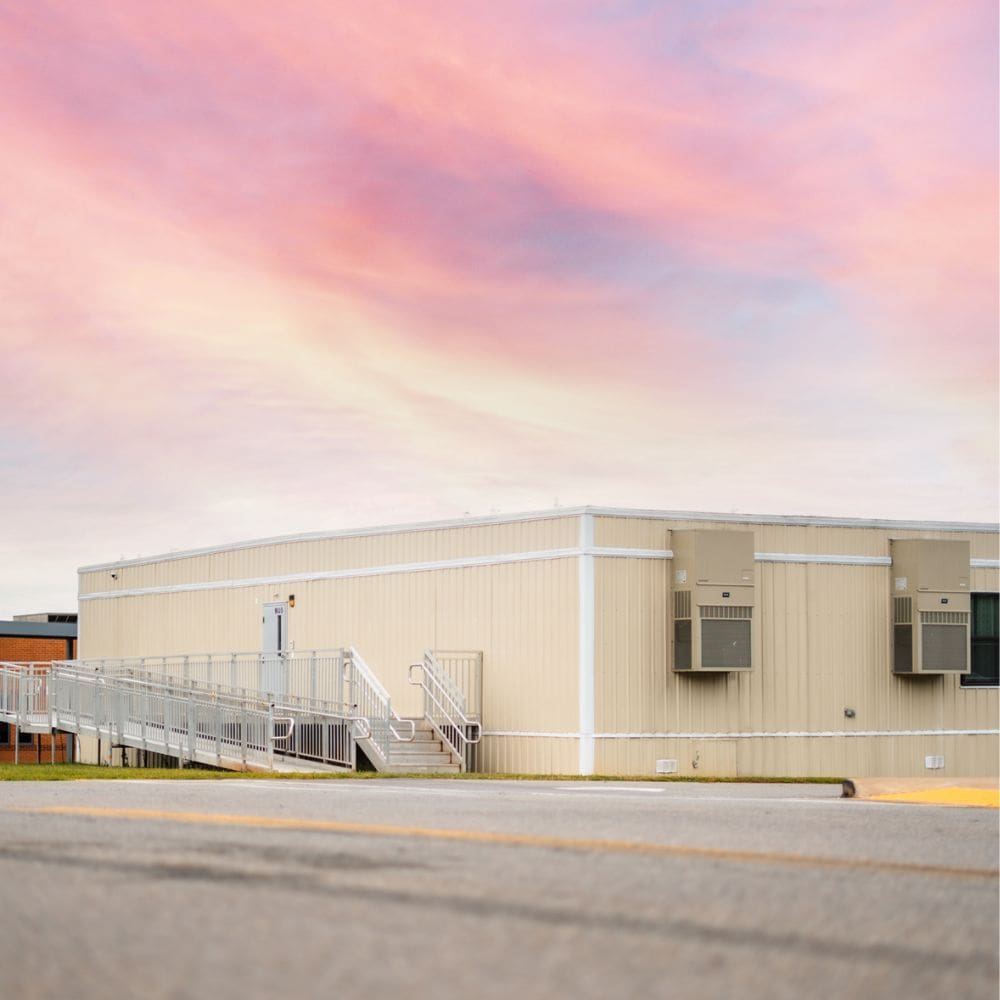
If you’re planning modular buildings for winter-ready campuses or commercial expansions, timing matters. A lead time of 8–12 weeks is ideal, and schools are now pairing winter prep with green goals, such as LEED-certified modular construction and net-zero modular classrooms.
Modular Trends to Watch
The future of modular is sustainable, smart, and efficient:
- Green Building Materials: Modular construction can reduce construction waste by up to 90%.
- IoT and Smart Controls: Real-time energy tracking and smart HVAC
- Digital Planning Tools: BIM helps simulate winter use before the ground is broken.
These tools and technologies are reshaping what is possible and what is expected in cold-weather modular construction.
Ready to Move? Aries Has Your Back
If you’re planning your fall-to-winter construction strategy, Aries makes it easy to get moving fast. We offer turnkey modular office buildings with financing, modular classrooms for winter use, and custom setups tailored to the needs of healthcare, government, or disaster relief efforts.
What sets us apart? Our factory-direct model shortens lead times. Our buildings are winter-engineered from the frame out, and our team handles everything from permits to installation. Plus, you can get free project planning assistance to help map out your seasonal setup, from budgeting to timelines.
When fall rolls in, and winter is not far behind, construction timelines become increasingly tight. That’s where a smart modular building strategy can make all the difference. Whether you’re expanding school facilities, adding winter-ready portable offices, or setting up seasonal modular buildings, the goal is the same: get it done quickly, efficiently, and without sacrificing quality before snow, wind, and freezing temps slow everything to a crawl.
In this post, we will explain why modular construction is the best solution for installing office trailers before winter arrives. We’ll unpack how the latest materials and systems are built for cold-weather performance, explore specific use cases like modular classrooms for winter and modular buildings for winter-ready campuses, and close with practical insights into how you can move fast without cutting corners. Whether you’re planning a turnkey modular office building with financing or hunting for urgent school expansion solutions, here’s your seasonal blueprint.
Why Modular Is Made for Winter Deadlines
Modular buildings are designed for speed, and that’s not just about the factory floor. When you’re racing against the weather, their most significant advantage is time. Unlike traditional builds, modular structures are fabricated offsite in controlled environments. That means no rain delays, no frozen concrete, and fewer headaches.
But it’s not just about staying on schedule. Cold-weather performance matters, too. Quality modular building solutions for education and commercial use now come with advanced insulation packages, high-efficiency HVAC systems, and materials that can withstand extreme climates. Think closed-cell spray foam insulation, thermal pane windows, reinforced weather-sealed joints, and durable steel or composite siding, all working to maintain a comfortable, energy-efficient space, even in sub-zero conditions.
For schools requiring rapid expansion, this means that modular classrooms for winter can be installed and operational in a matter of weeks, not months. According to the U.S. Department of Energy’s Building Technologies Office, enhanced building envelopes and HVAC systems in modular units can significantly reduce heating costs in winter compared to those in older portable units.
Designing for the Cold: Features That Matter
Let’s break down what to look for in winter-ready modular buildings:
- Insulation R-Values: Closed-cell spray foam provides both insulation and moisture protection, which is crucial for winter performance.
- Sealed and Heated Underbellies: Prevents floor freezing in portable units, maintaining stable interior temperatures.
- Energy-Efficient HVAC Systems: Proper sizing and installation, especially in modular environments, make or break heating efficiency.
- Snow Load Engineering: Structures must account for regional snow load requirements to ensure safety and durability.
- Advanced Wraps & Weather Barriers: Improve building longevity and occupant comfort by keeping snow and wind at bay (EPA Moisture Control).
Need proof? A hospital in Queensland, Australia, utilized modular construction to rapidly deploy a new medical ward just before winter, demonstrating that this strategy isn’t only practical but also proven.
Timing Is Everything: Seasonal Strategy for Deployment
Modular isn’t just fast, but strategic. The sweet spot for ordering and installing modular buildings is right now, late summer into early fall. That window gives you enough time for manufacturing, delivery, and setup before winter conditions complicate logistics.
Waiting too long risks:
- Frozen ground delaying site prep
- Supply chain issues for HVAC components
- Limited unit availability due to seasonal demand
If you’re planning modular buildings for winter-ready campuses or commercial expansions, timing matters. A lead time of 8–12 weeks is ideal, and schools are now pairing winter prep with green goals, such as LEED-certified modular construction and net-zero modular classrooms.
Modular Trends to Watch
The future of modular is sustainable, smart, and efficient:
- Green Building Materials: Modular construction can reduce construction waste by up to 90%.
- IoT and Smart Controls: Real-time energy tracking and smart HVAC
- Digital Planning Tools: BIM helps simulate winter use before the ground is broken.
These tools and technologies are reshaping what is possible and what is expected in cold-weather modular construction.
Ready to Move? Aries Has Your Back
If you’re planning your fall-to-winter construction strategy, Aries makes it easy to get moving fast. We offer turnkey modular office buildings with financing, modular classrooms for winter use, and custom setups tailored to the needs of healthcare, government, or disaster relief efforts.
What sets us apart? Our factory-direct model shortens lead times. Our buildings are winter-engineered from the frame out, and our team handles everything from permits to installation. Plus, you can get free project planning assistance to help map out your seasonal setup, from budgeting to timelines.

Follow Us On Social Media!